

'The Aesthetics of Film' (1928), and other texts and material, in three notebooks by documentary pioneer Paul Rotha
'The Aesthetics of Film' (1928), and other texts and material, in three notebooks by documentary pioneer Paul Rotha
ROTHA, Paul (1914–1980)
Three notebooks on cinema, costume design and art history, containing short essays titled ‘The Aesthetics of the Film’, ‘Some Notes on Expressionism’, and ‘The Greatness of [Emil] Jannings’, together with numerous original drawings, some preparatory for published work, and an extensive reference collection
[n.d., but circa 1928]
Three large-format notebooks, each 345 × 240mm; approx. 125 leaves in total, with numerous inserts and pasted clippings (almost all space utilised)
A hugely revealing group of notebooks, shedding new light on one of the pioneers of British cinema. These three notebooks date from the precise moment (1928) when Rotha, trained as an artist and designer, made his move into cinema, and chart this transition in detail.
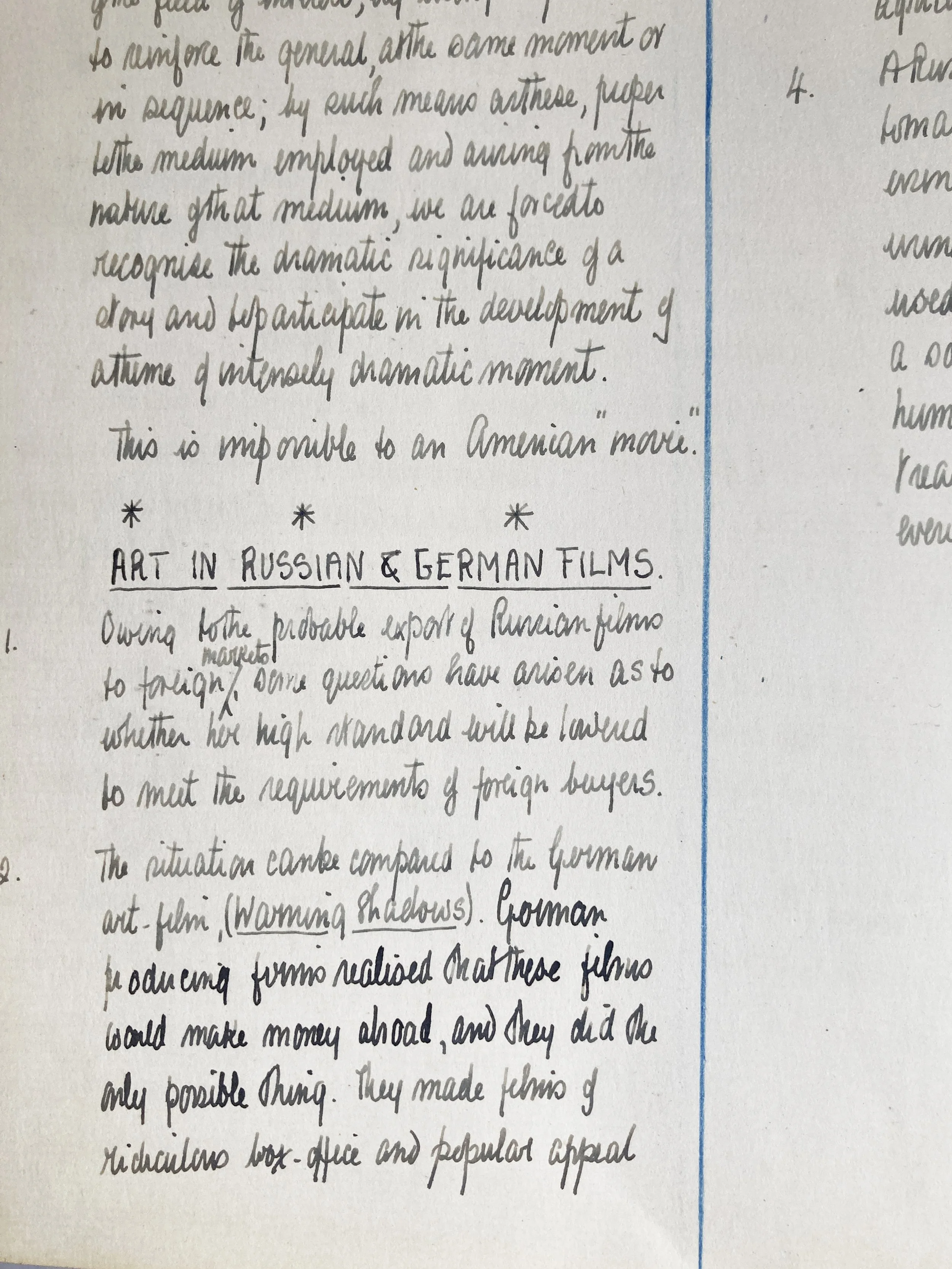
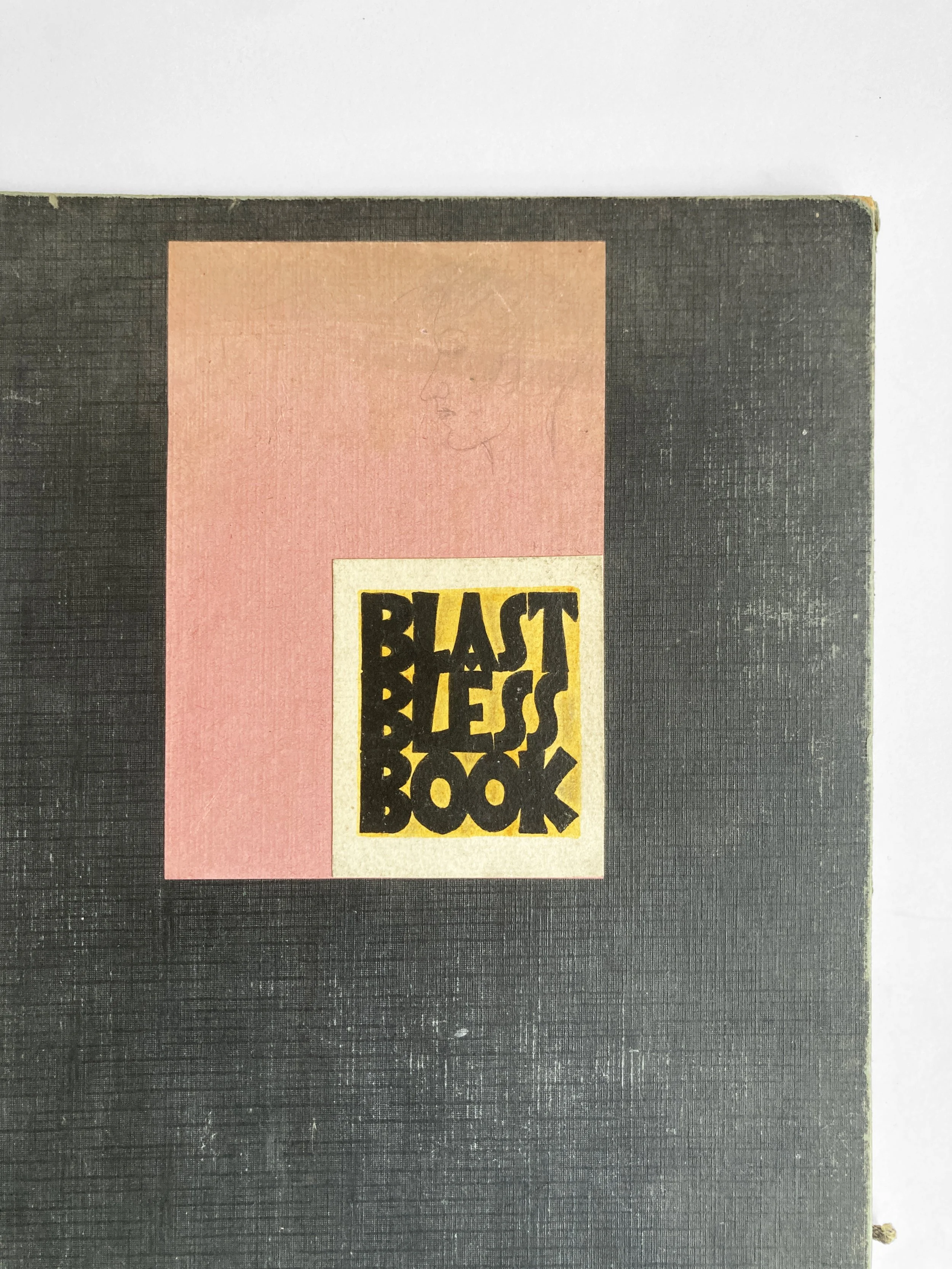
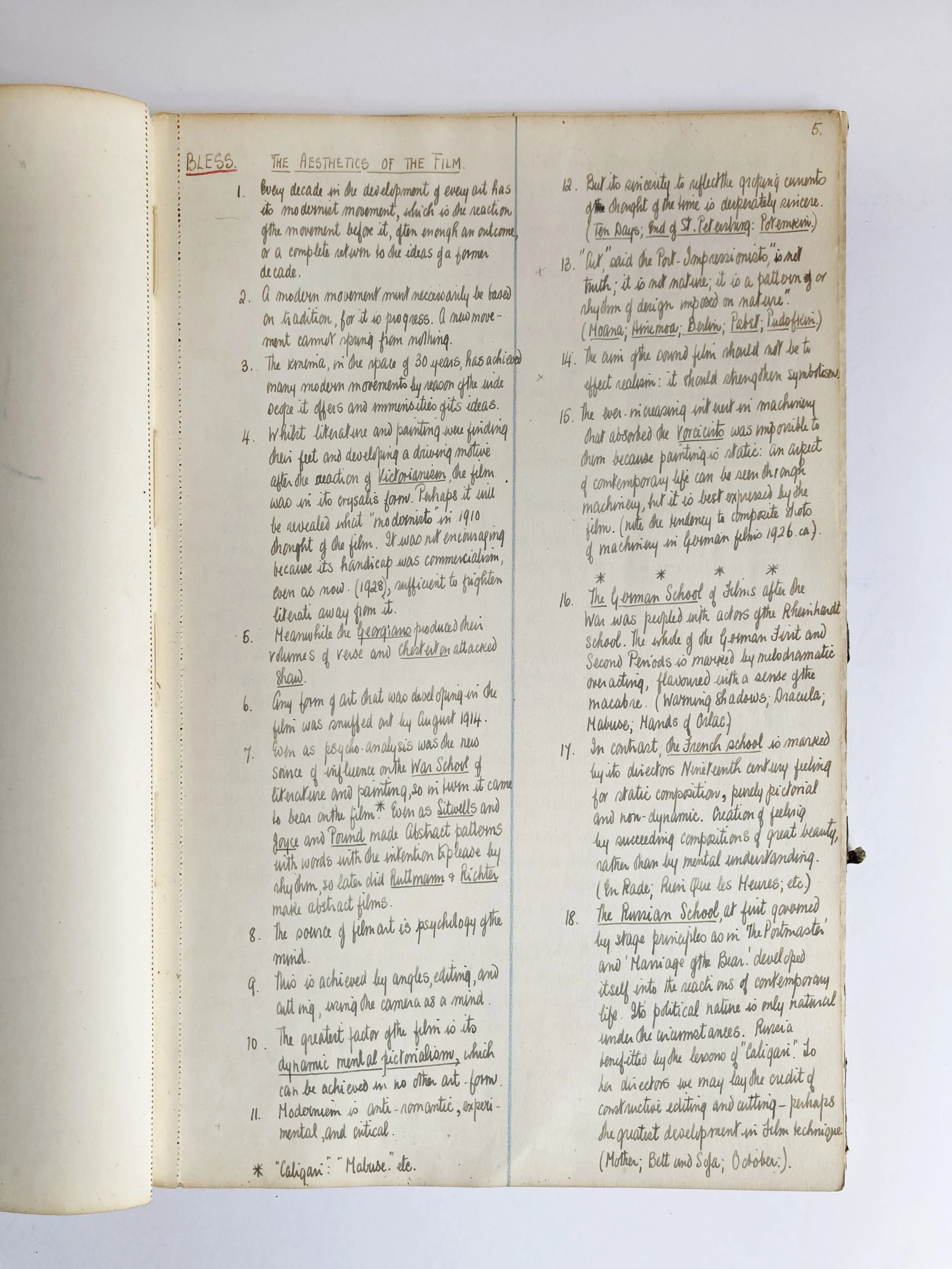
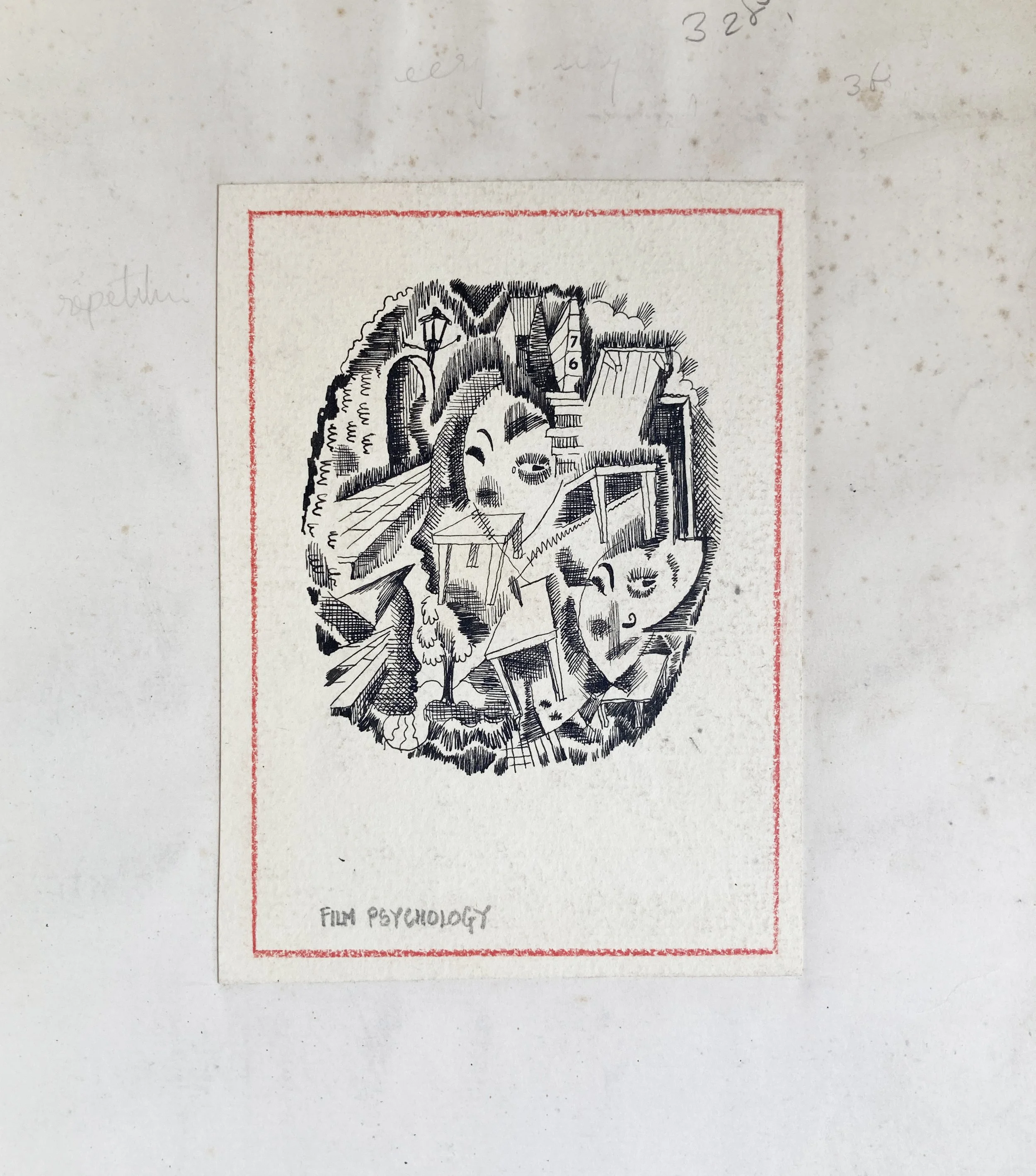
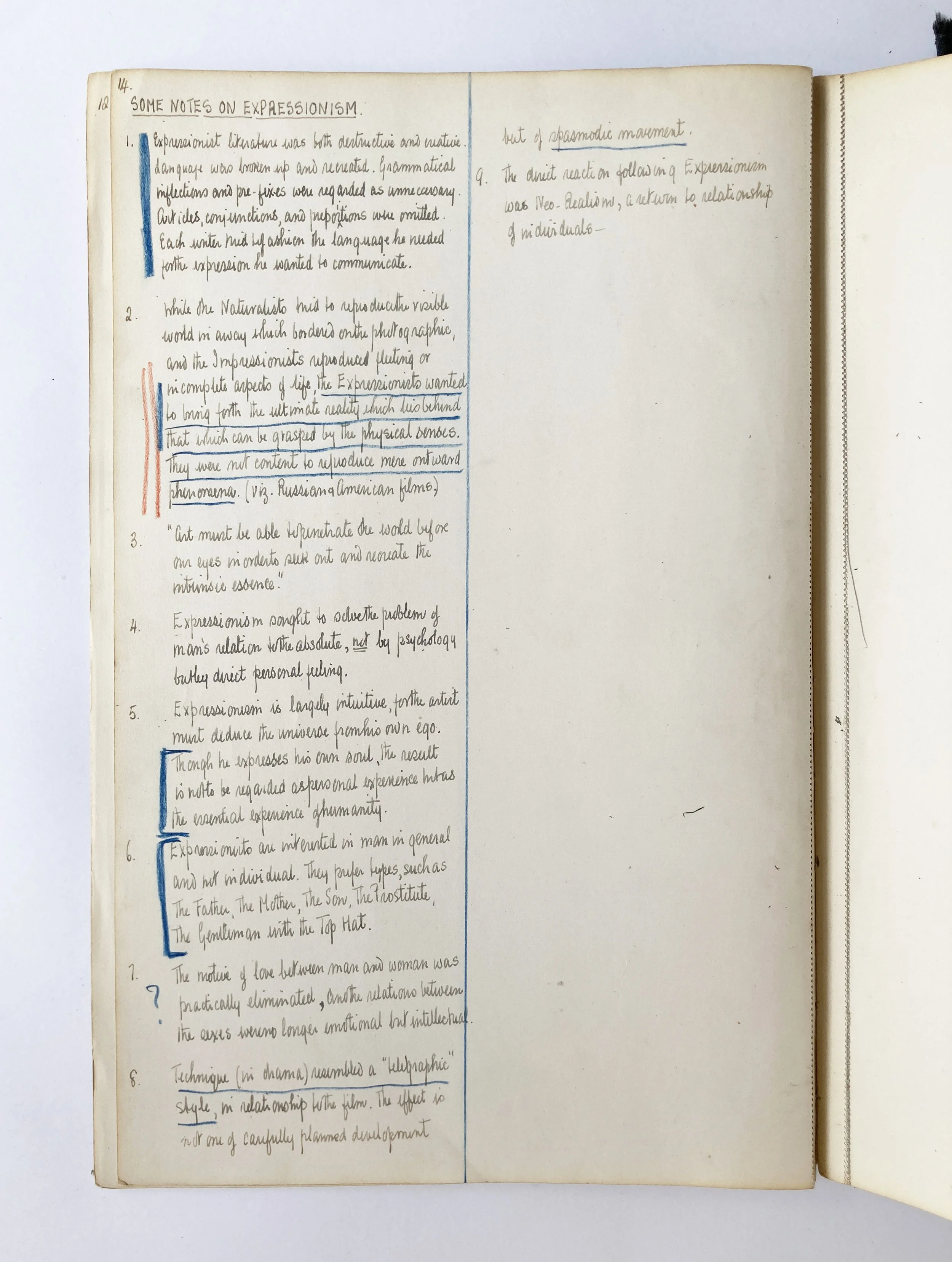
The first book (1) bears a cover print reading ‘Blast / Bless /Book’ – perhaps a design/concept of Rotha’s own – and contains ten pages of writing, as well as sixteen pages of original drawings, mainly life studies and costume designs. Here we find the three capsule essays:
‘The Aesthetics of the Film’
‘Some Notes on Expressionism’
‘The Greatness of [Emil] Jannings’
Additionally there is Rotha’s revealing list of ‘Blasts’ and ‘Blesses’ of the title, the former including, inter alia, ‘Art’, ‘Films’, ‘Charles Chaplin’, ‘Pudovkin’, ‘Absolute films’ and ‘Emil Jannings’, and the latter ‘Money’, ‘America’, ‘all millionaires’, and ‘Jannings’ (again) – each of these with a short commentary.
The three short essays are highly significant, especially given their date: these effectively comprise working notes for Rotha’s first book on cinema, The Film Till Now (1930), which incorporates much of the substance and some of the specific wording of the text here. Compare, for example, the present manuscript’s ‘The greatest factor of the film is its dynamic mental pictorialism, which can be achieved in no other art form’, with The Film Till Now’s ‘This dynamic mental pictorialism is, I claim, the most powerful form of expression available to-day to a creative artist.’ Numerous other passages, phrases and topics are likewise carried over from the manuscript to the published book, notably the manuscript section ‘Notes on the Absolute Film’, which forms an important part of the central argument of The Film Till Now. The latter was a landmark text: it was the first English language history of silent and sound cinema, and established Rotha’s reputation as a leading thinker on cinema history and theory.
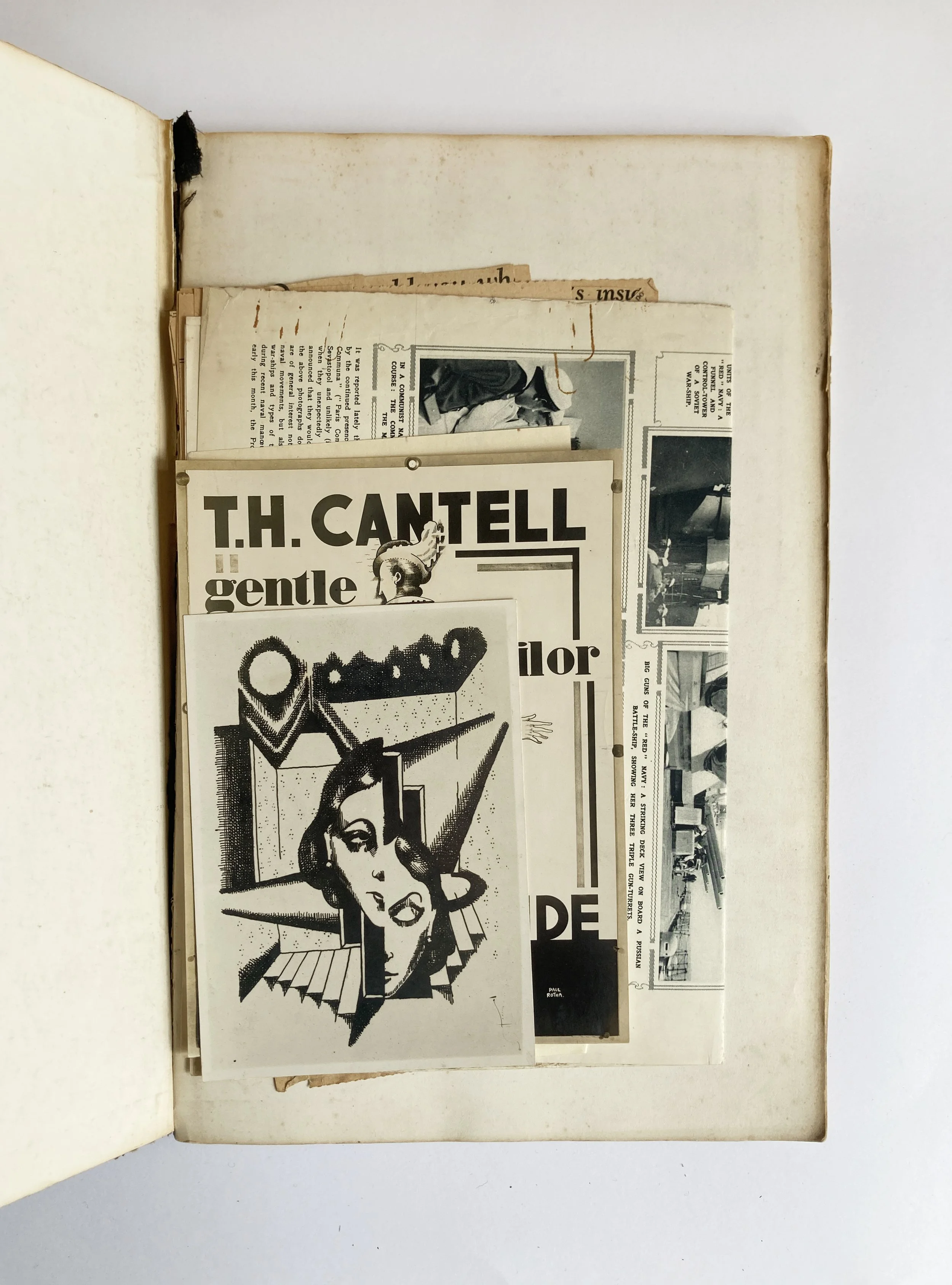
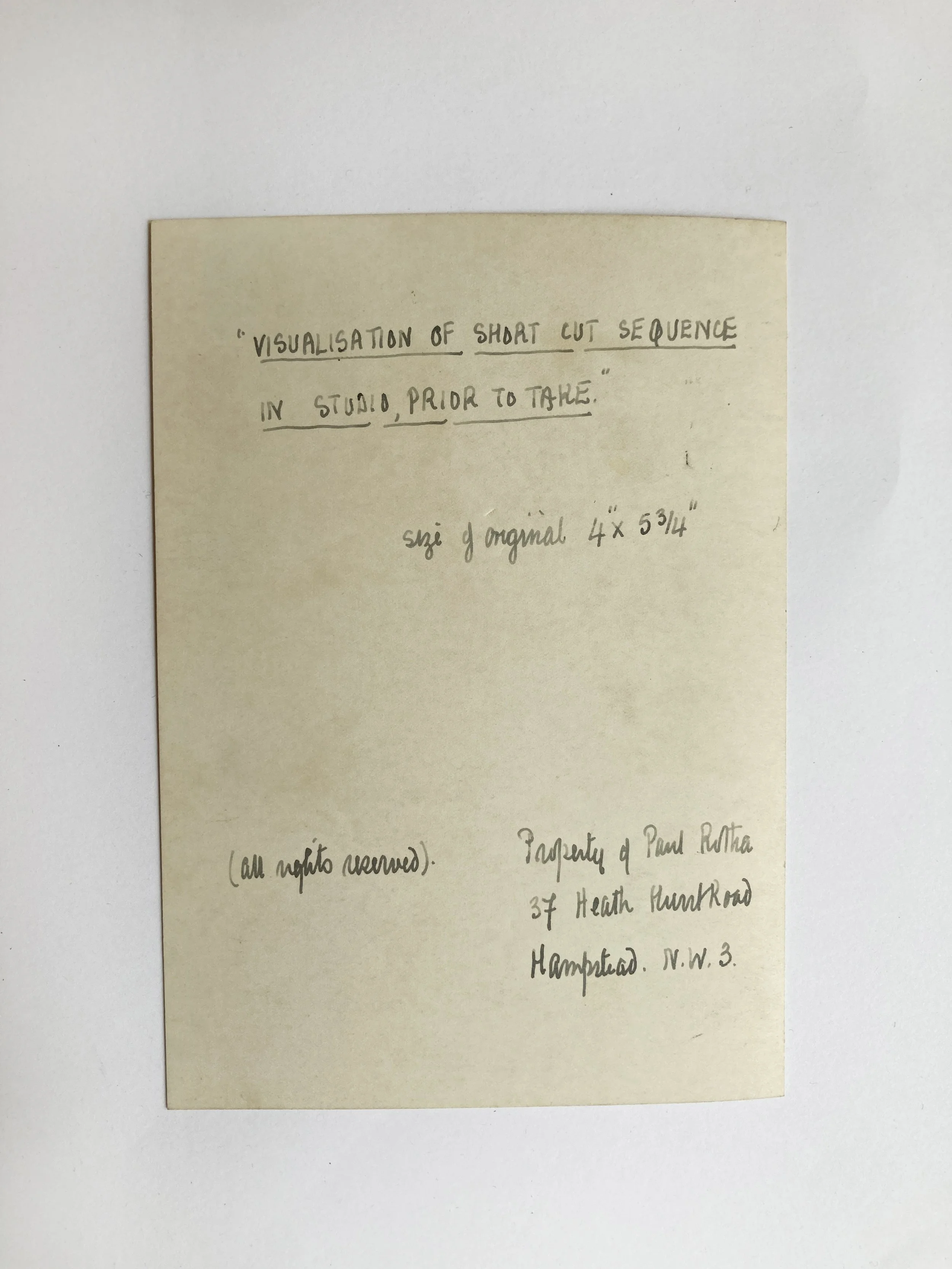
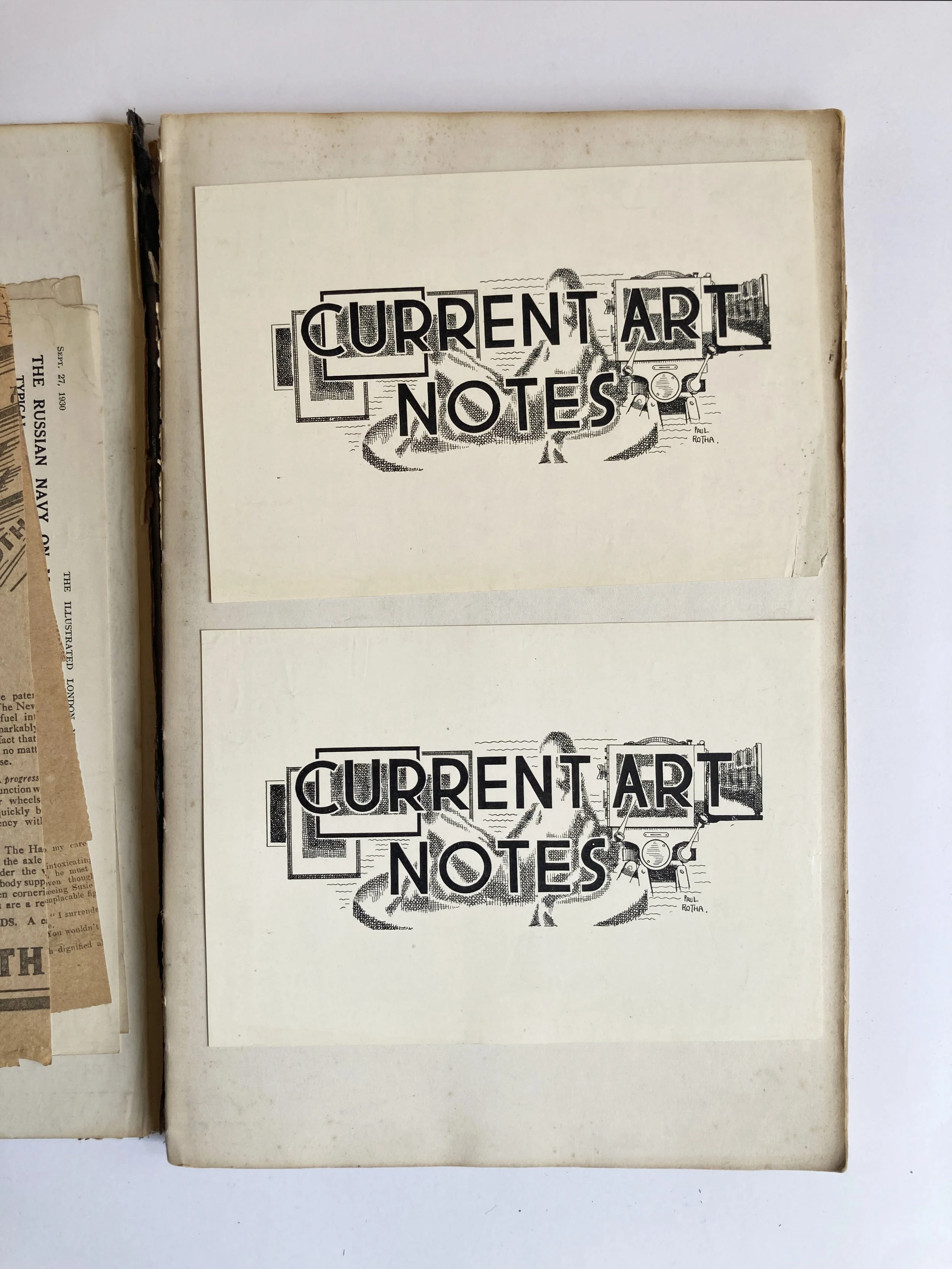
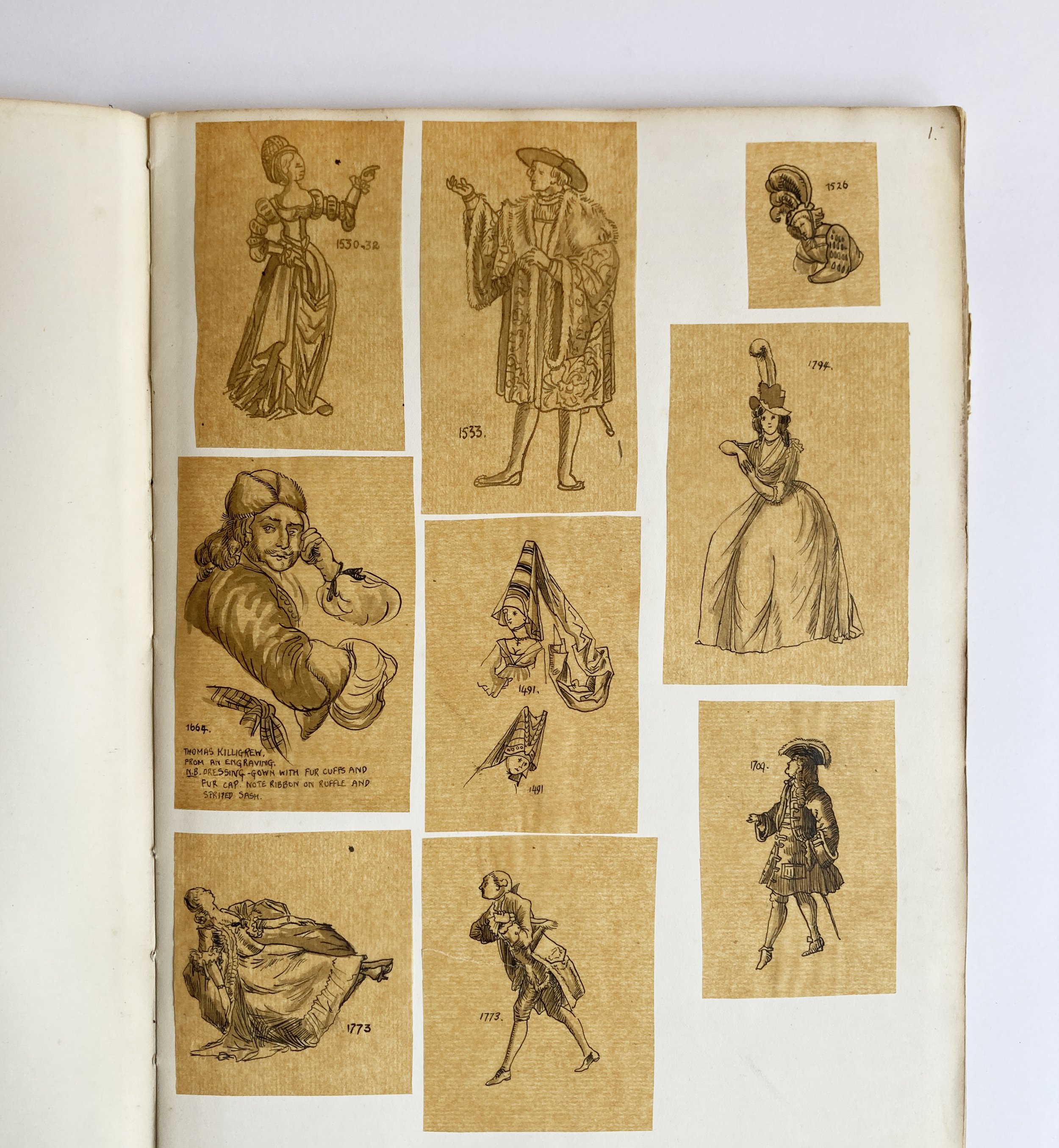
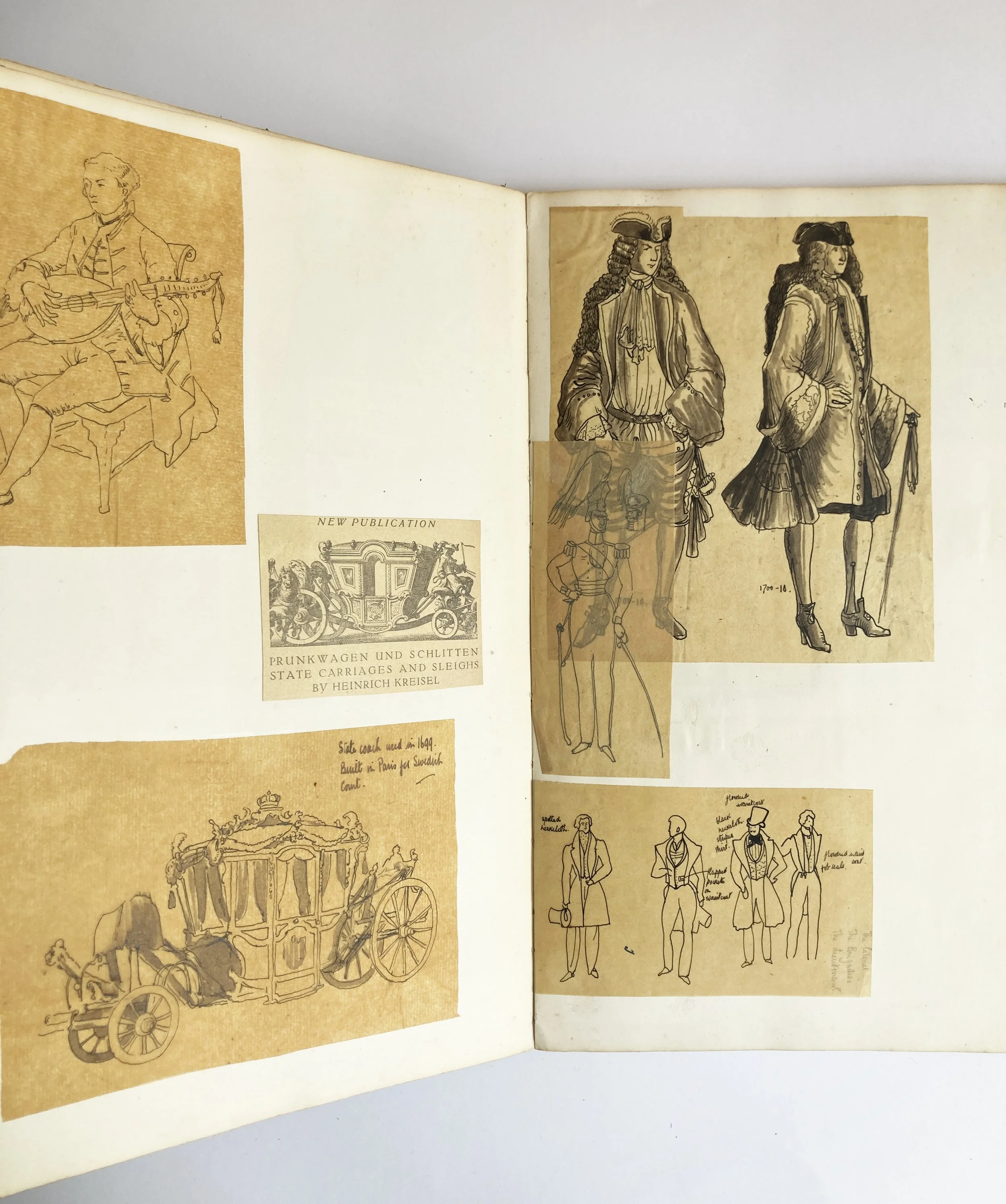
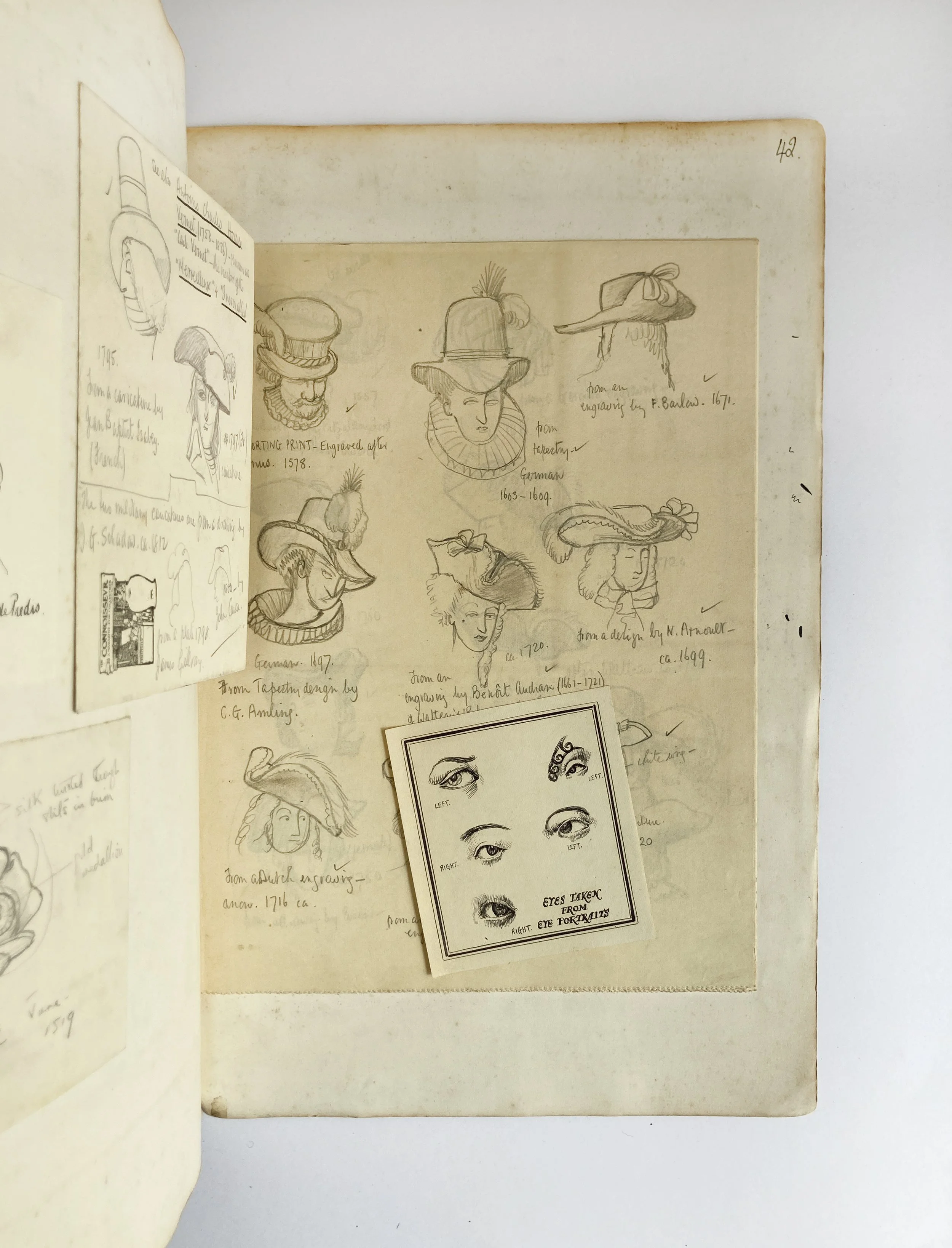
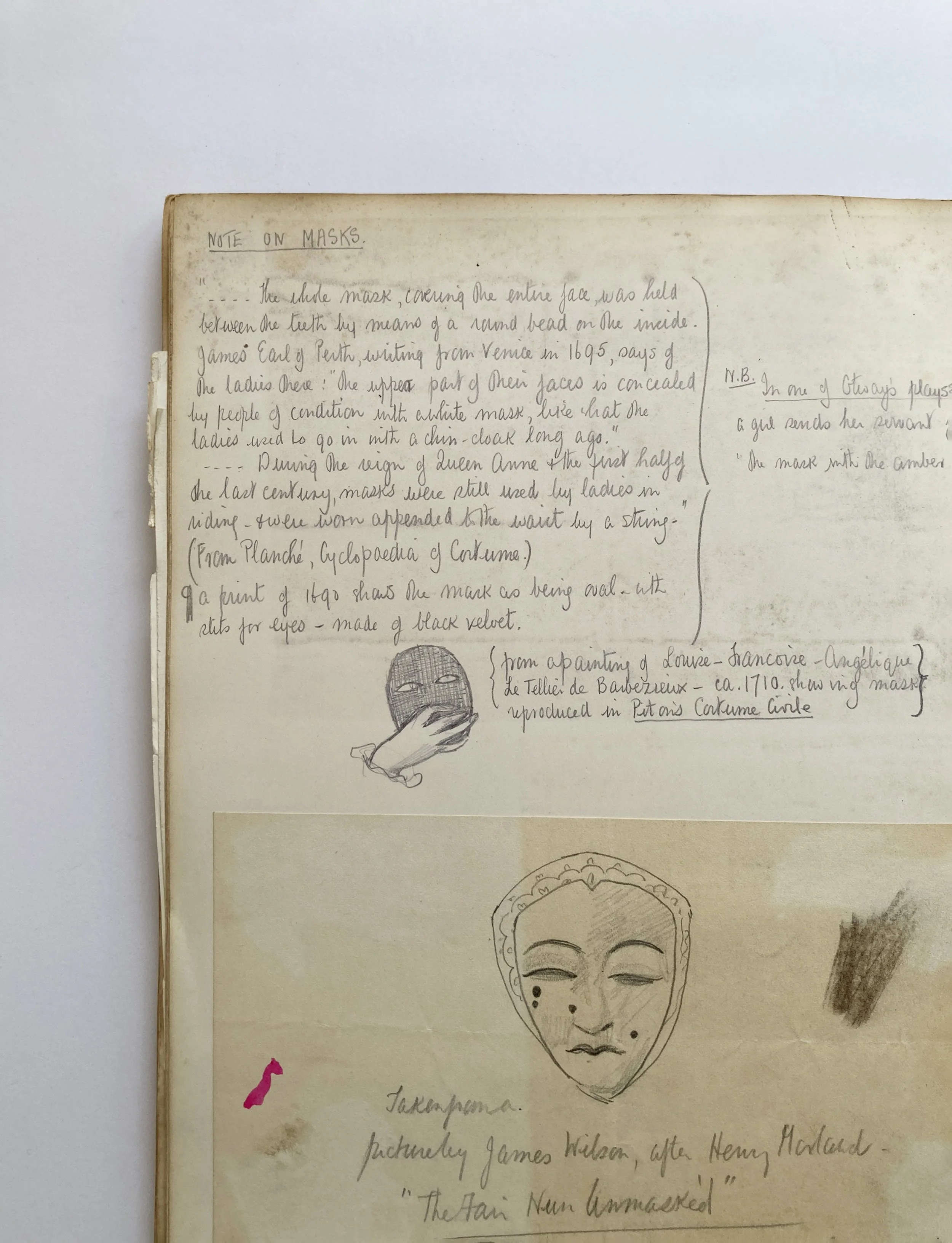
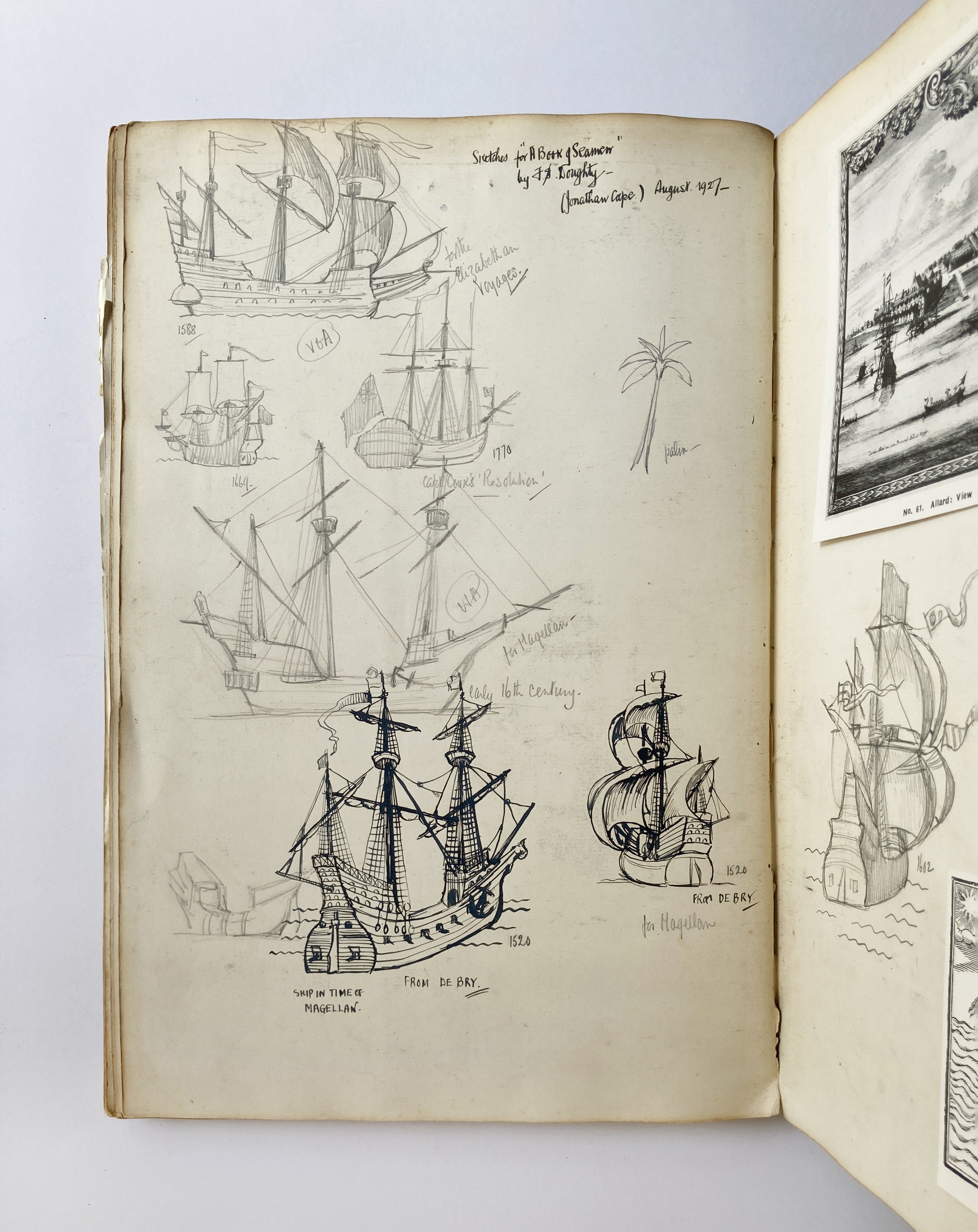
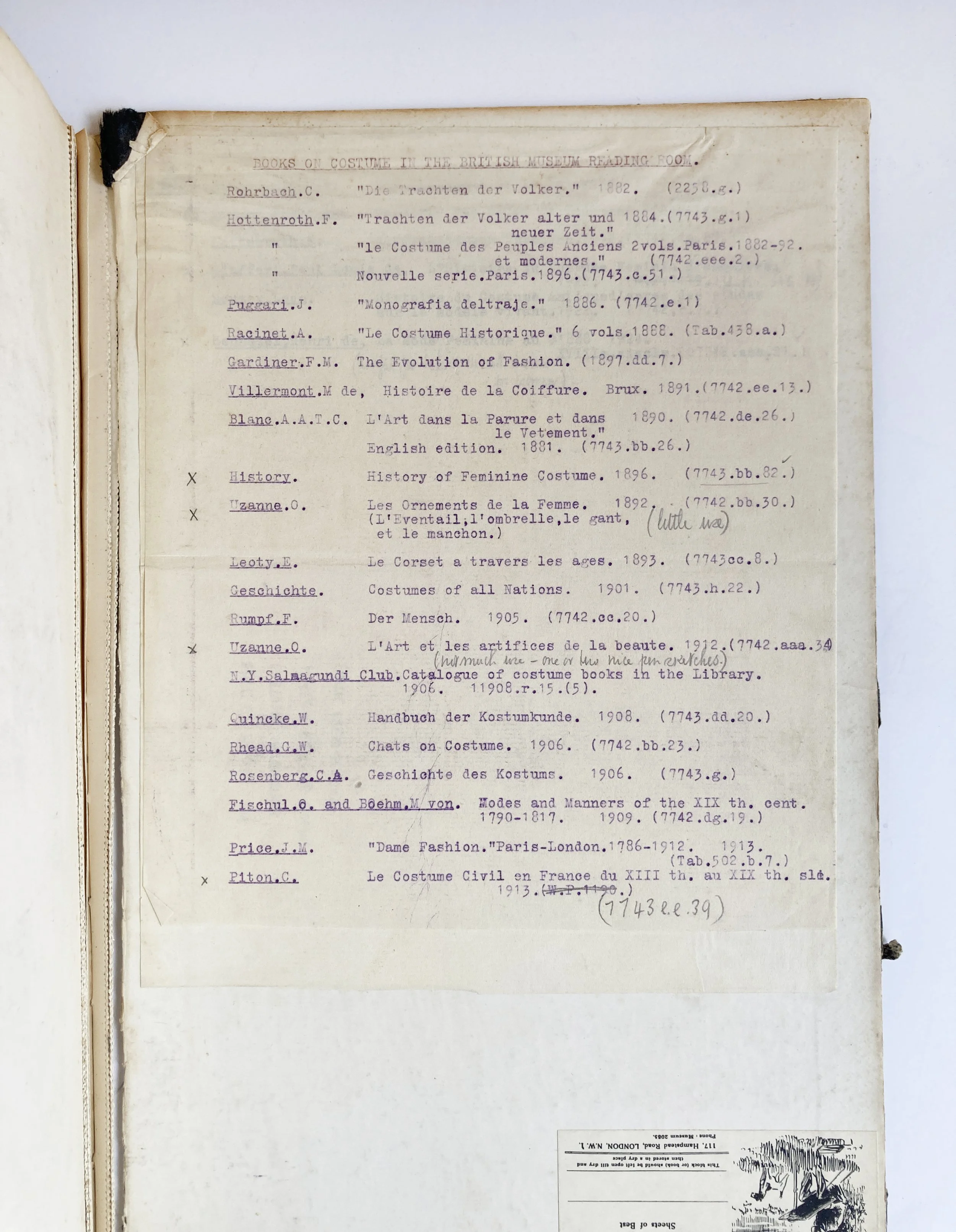
The second notebook (2) contains a large volume of cut and pasted reference material, of a general kind but also for specific projects. A notable example is the sequence of maritime images, which culminate in Rotha’s own sketches for the artwork he contributed to F.H. Doughty’s A Book Of Seamen (Jonathan Cape, 1929). Other sketches are apparently traced but are uniformly high quality, and relate to Rotha’s enduring interest in the history of costume – the subject of a five-page notebook that has been tipped into the volume. Also present is a brief (1p.) ‘Note on masks’. A group of original designs by Rotha (printed and photographically reproduced) is laid in to the front of this volume.
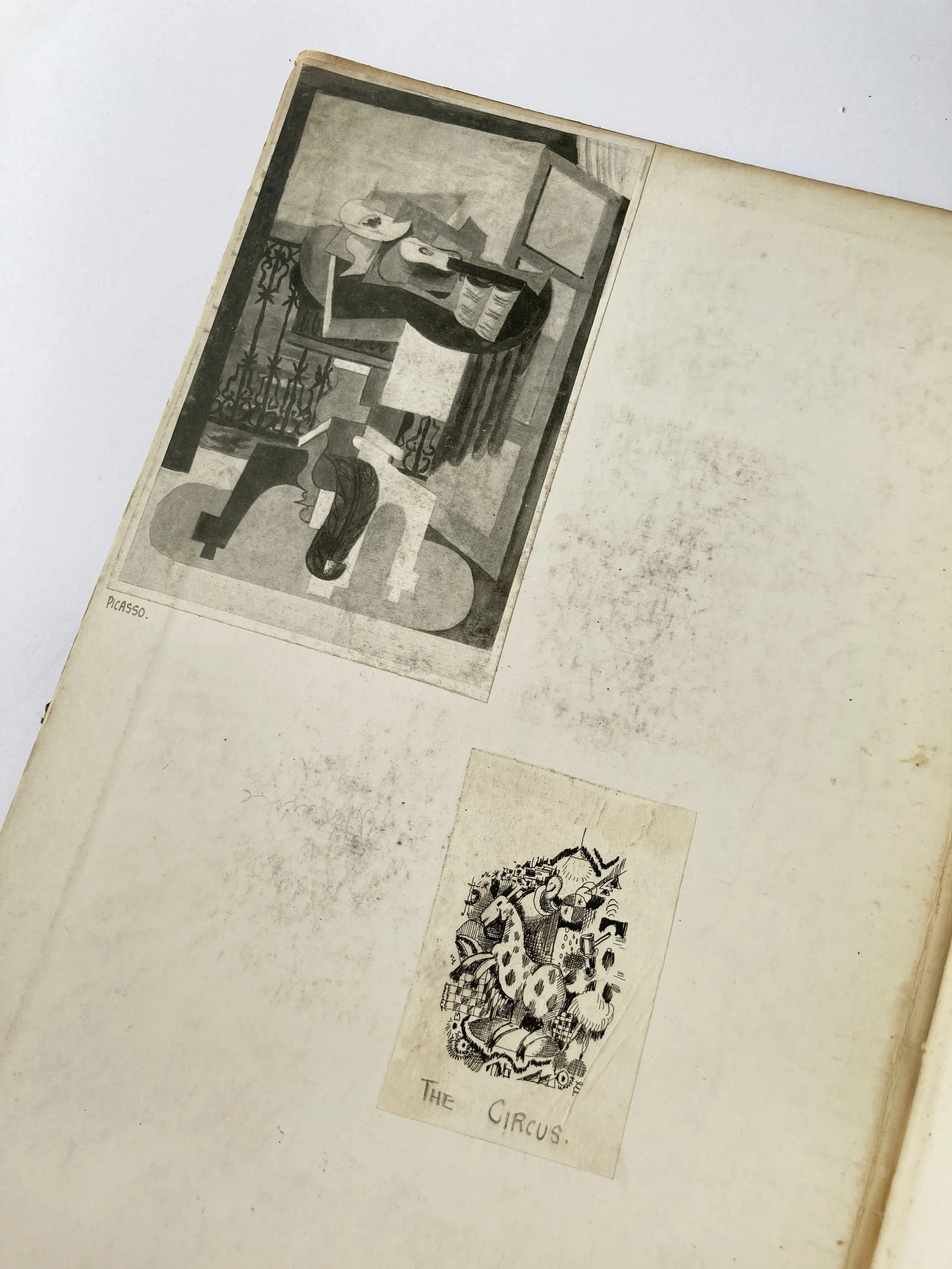
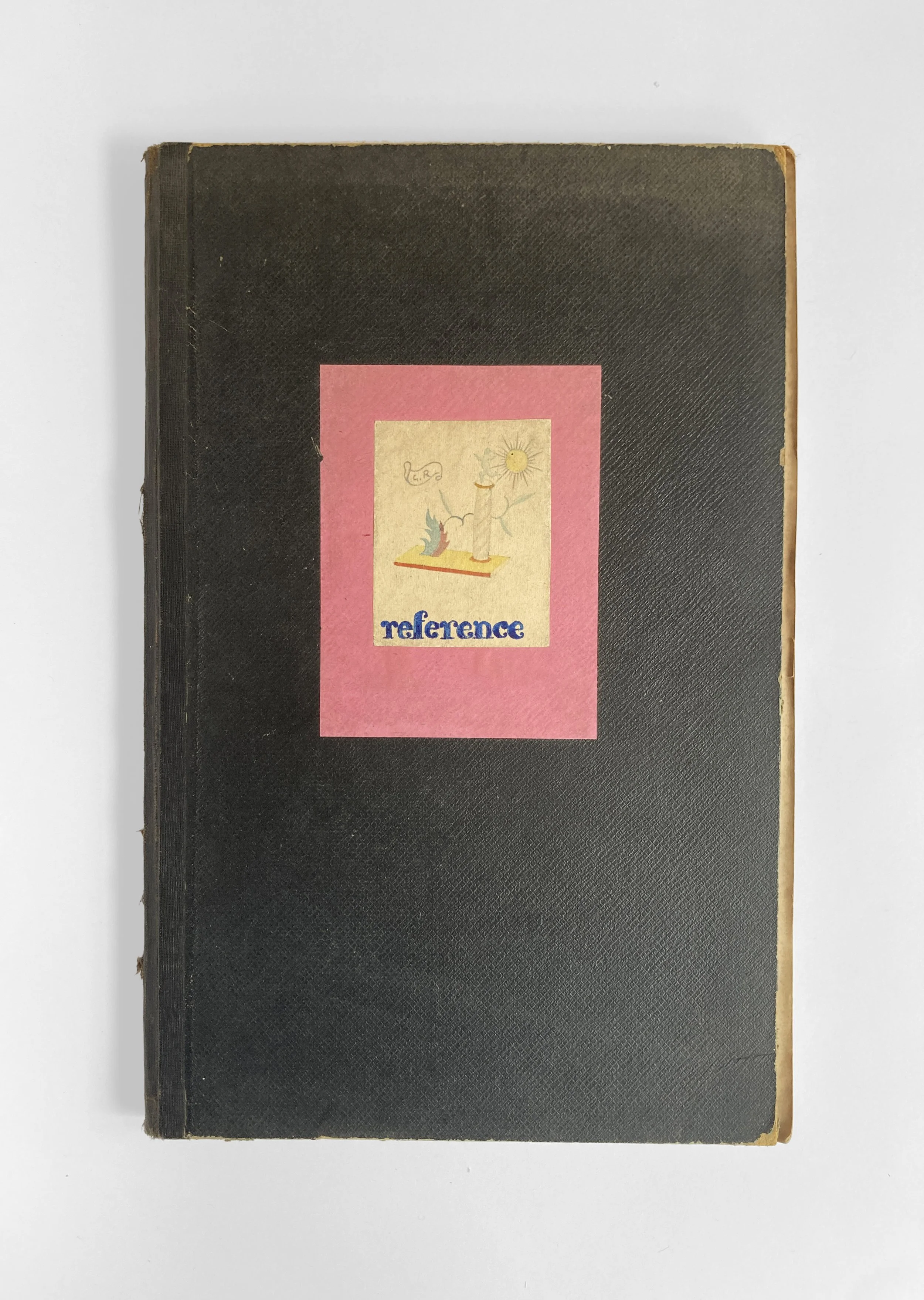
The final notebook (3) is headed ‘Reference’, and contains a large quantity of cut and pasted images giving a fairly comprehensive history of western art from the renaissance to the 1920s (culminating in Picasso and Gris).
Together the three notebooks shed light not only only Rotha’s turn to the cinema and important work as a critic, but also his deep interest in the history of portraiture, costume, photography and design.
Rotha was born in London in 1907, and changed his name from Paul Thompson at the suggestion of his Professor at the Slade School of Fine Art. Having won awards for his costume design, he became interested in film and first worked in set design, before making his first films, with documentary pioneers John Grierson and Basil Wright. His first major film was Contact (1933):
‘Regarded as a pioneering sponsored film by many in the fledgling documentary movement, Contact was praised for its clarity of exposition and lyrical editing. Rotha continued to make sponsored films, but his next significant project was Shipyard (1935), about the building of a liner at Barrow-in-Furness. One of the first documentaries with a strong social conscience, Shipyard illustrates the social impact of shipbuilding on the depressed local economy. It also demonstrated the difference between Grierson's realist documentary tradition and Rotha's more socio-political filmmaking, as did his next film, The Face of Britain (1935) which dealt with the appalling living and working conditions of the working class.’ (BFI)
Through World War II Rotha advised the Ministry of Information on propaganda films, and made two of his most famous films, World of Plenty (1943) and Land of Promise (1945). Amongst his postwar activities, Rotha served as Head of the BBC Documentary Department, and turned to feature film production. He wrote extensively throughout his career, revising his works on film until his death in 1984.
Fair condition only: contents generally in good condition, but the bindings of notebooks 1 and 3 deteriorated, and the rear cover of 3 absent.