

Manuscript notes on a geological tour of Cumbria, 1921
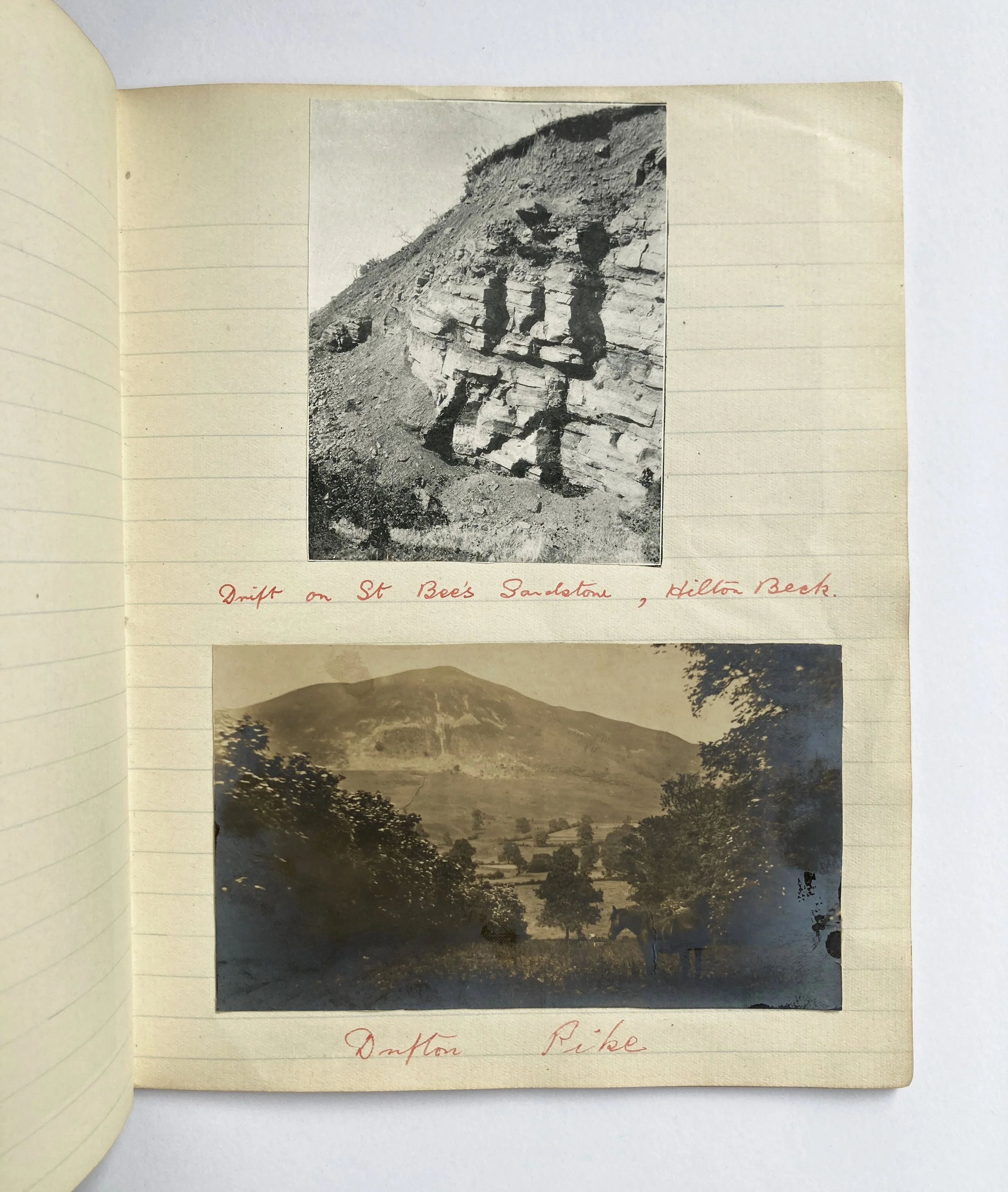
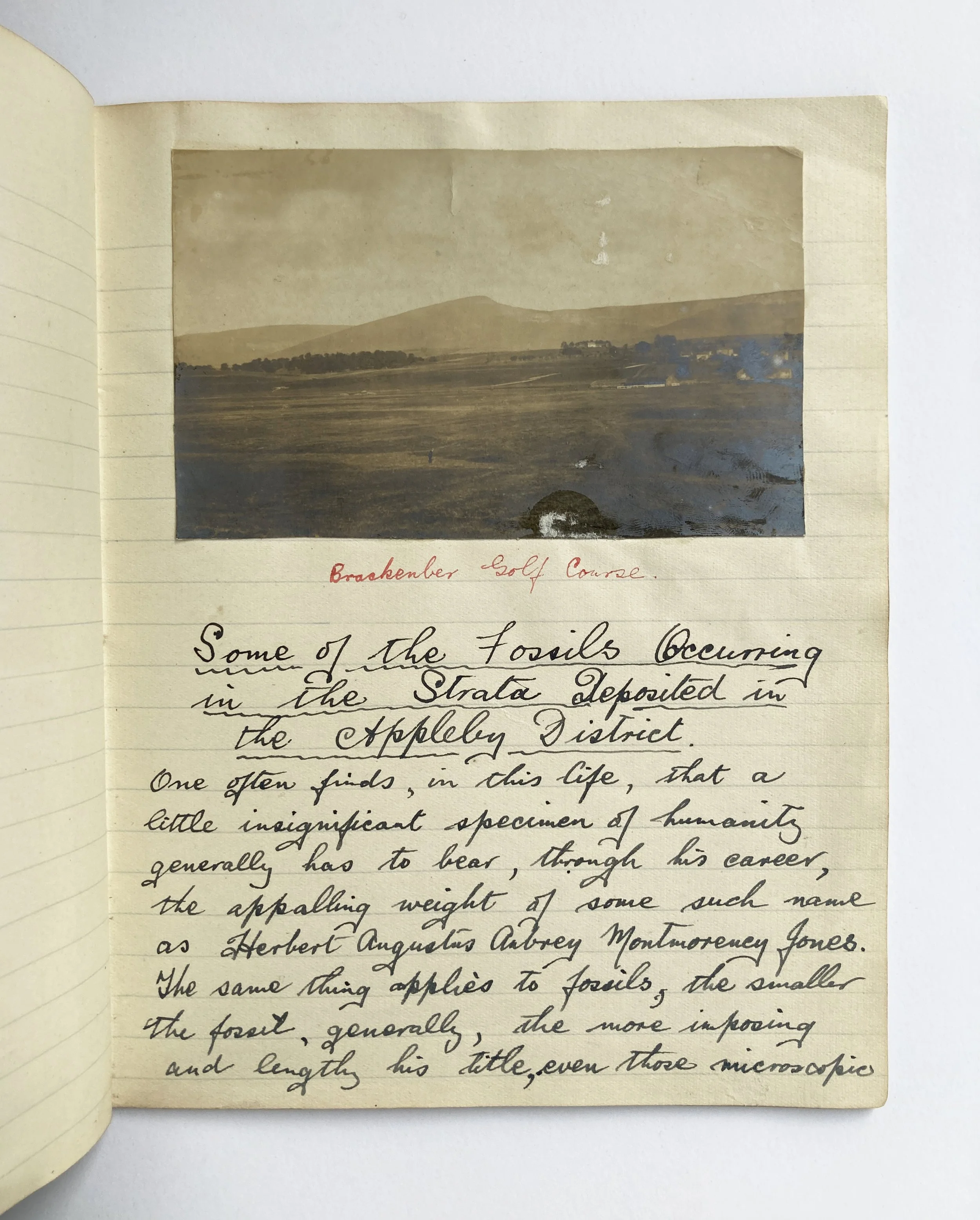
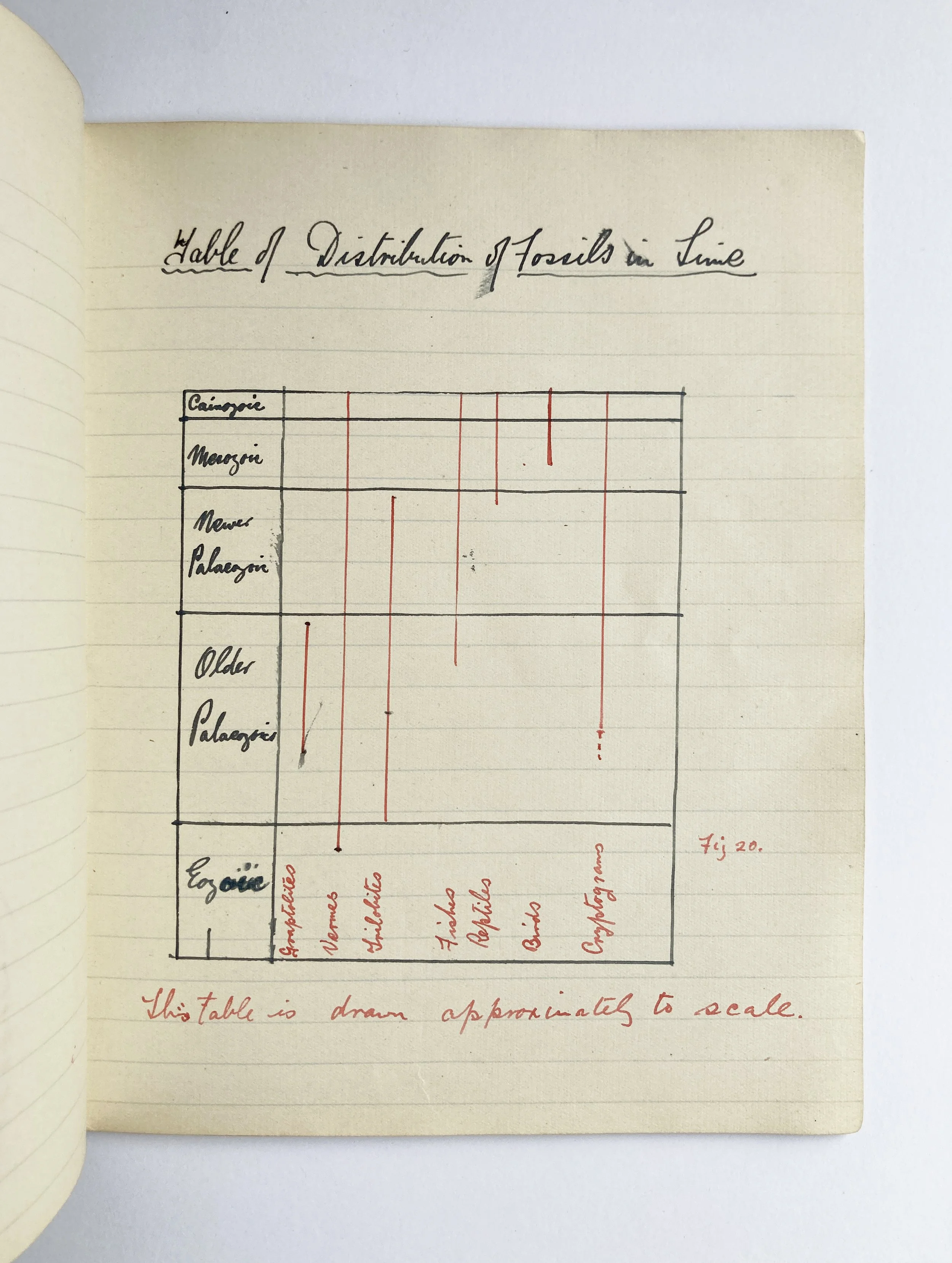
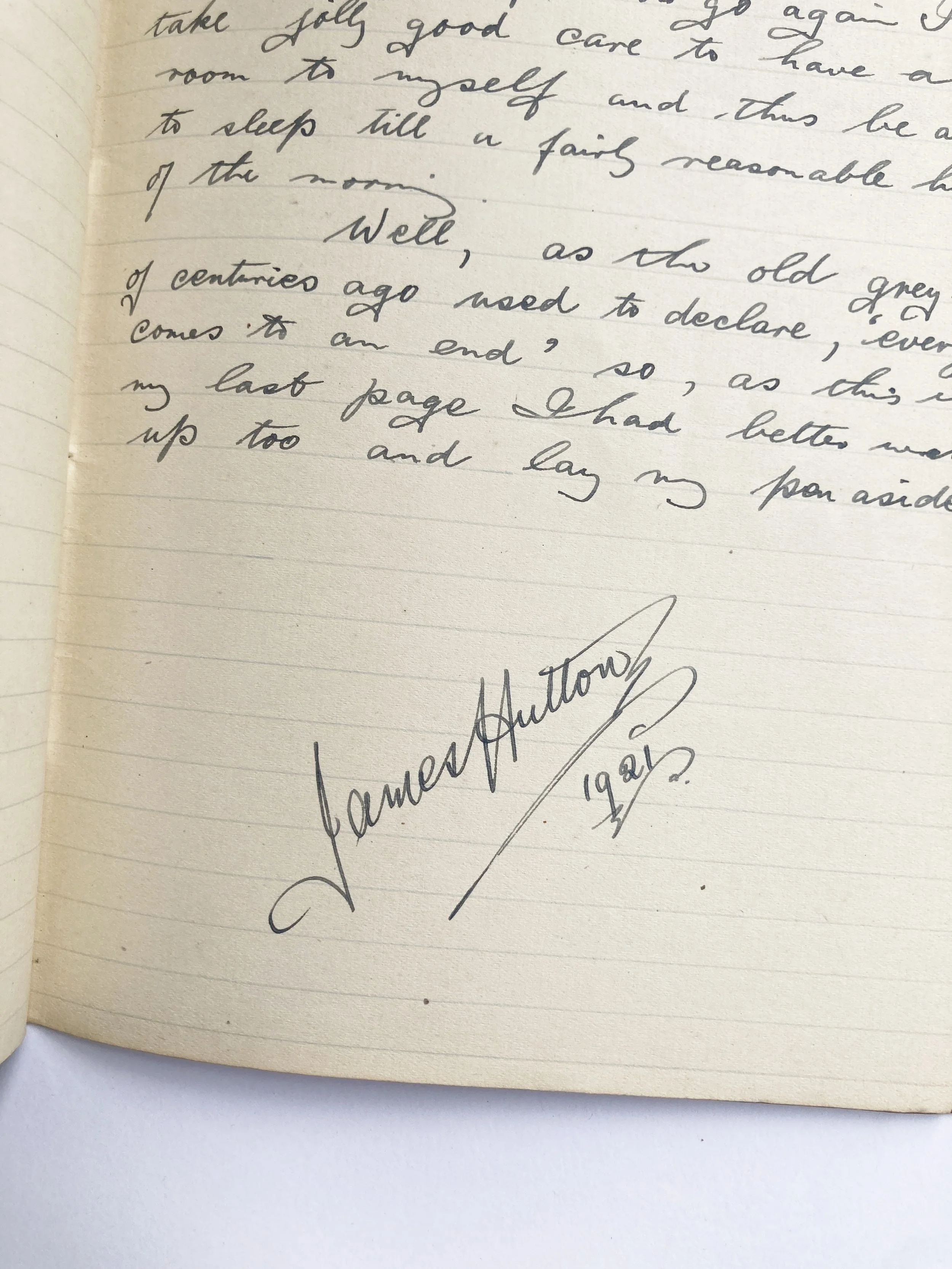
Manuscript notes on a geological tour of Cumbria, 1921
HUTTON, James
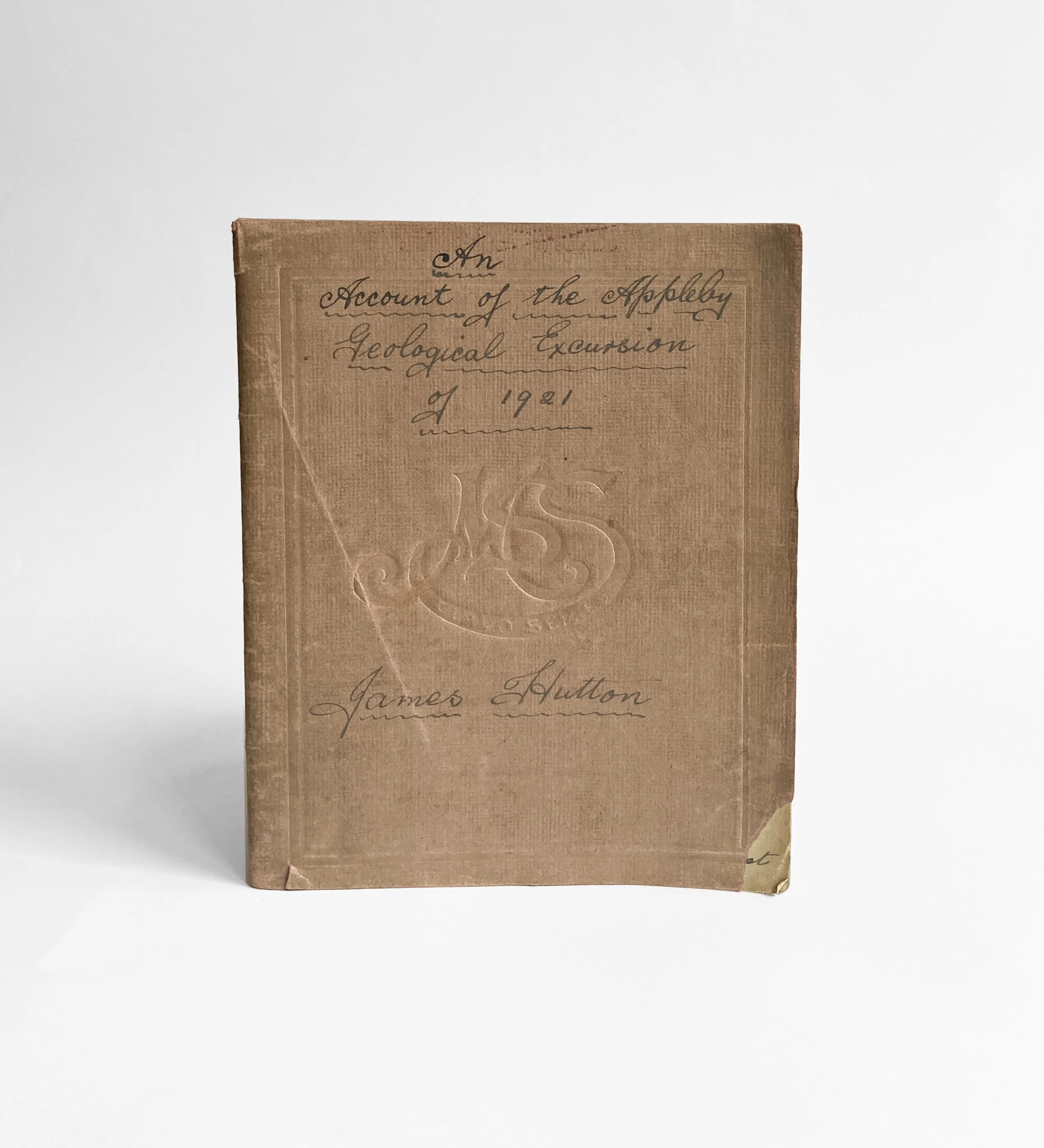
Manuscript journal title ‘An Account of the Appleby Geological Excursion of 1921’
Lined notebook, 205 x 165mm; 48 leaves, entirely filled in, generally on rectos only.
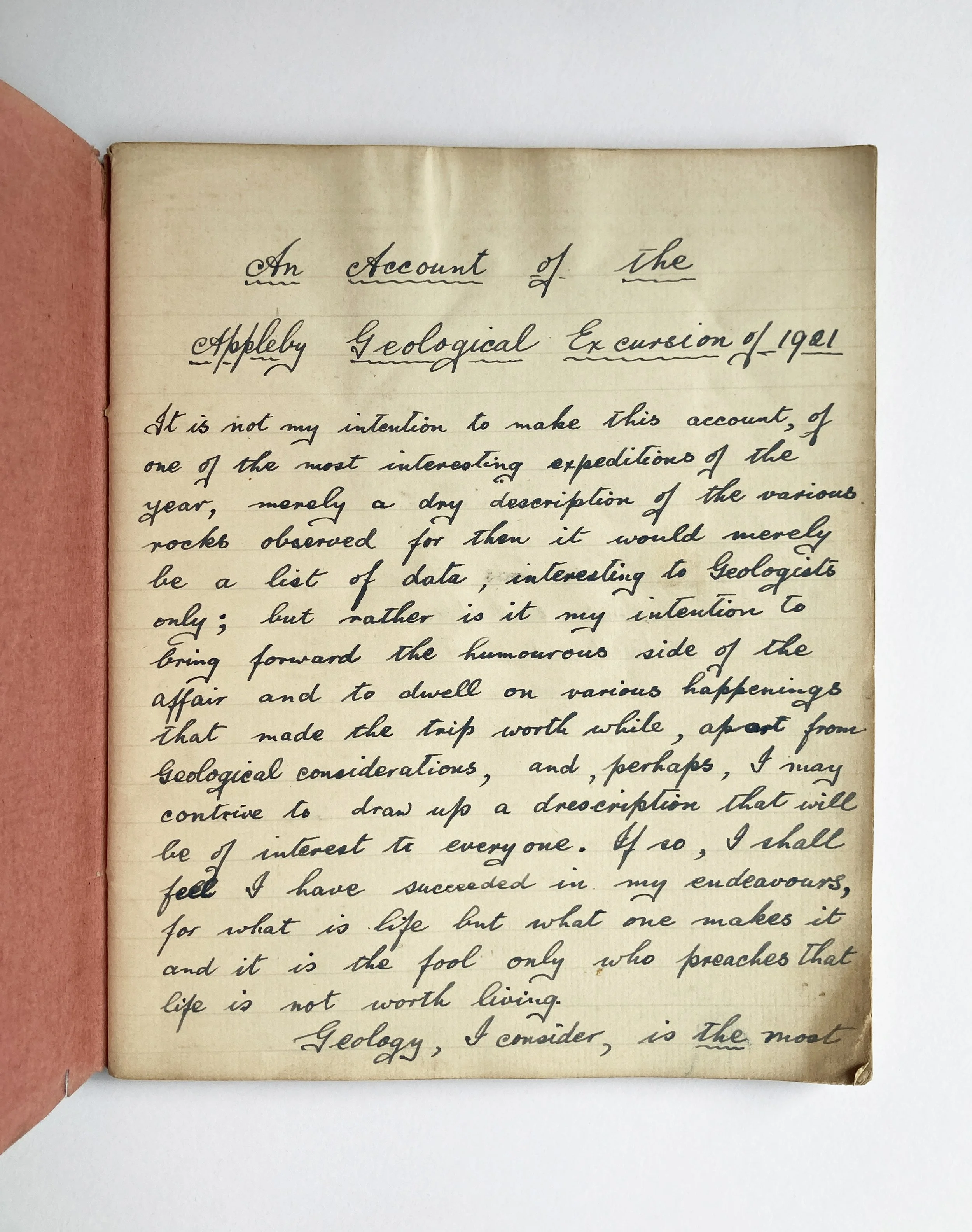
A lively and meticulous geological field journal, by the namesake of the famous 18th century geologist. Hutton begins by explaining that ‘it is my intention to bring forward the humorous side of the affair and to dwell on various happenings that made the trip worth while’, and this chatty journal features digressions on early waking, interactions with locals, and the pleasures and perils of cycling. But Hutton was also a talented and diligent observer, and kept an excellent record of his various excursions.
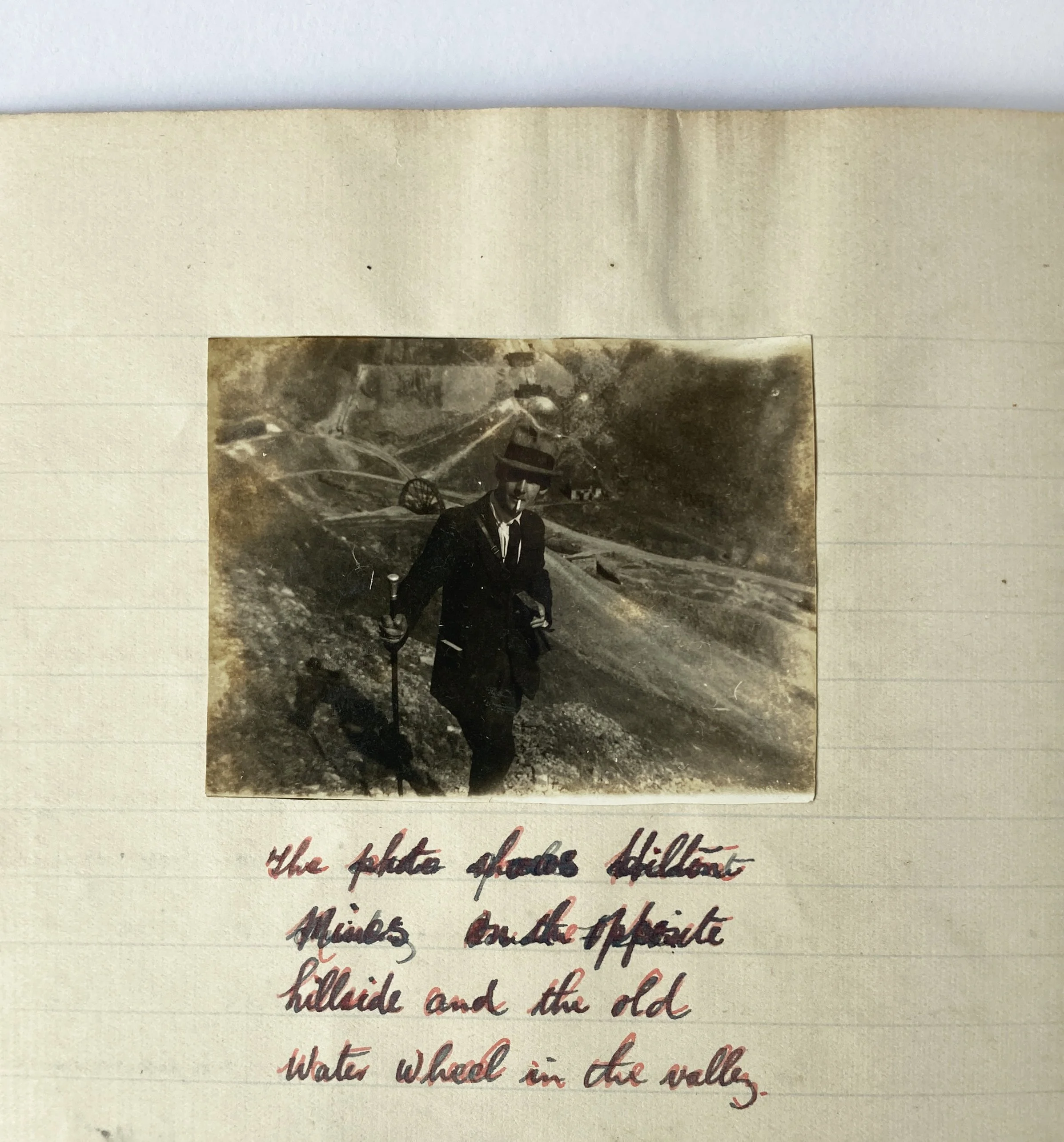
Investigating Hutton’s life is hampered by the fact that he shares a name with one of the most famous of all geologists, but there is certainly plenty of evidence here, and further research may shed light on his circumstances. Hutton may have been enrolled on a post-war educational scheme – he notes that he is young (and appears so in the photograph), that he is of limited means, and that he experienced shelling during the First World War. Most of the trip is spent with a friend, friend J.W. Peaker, ‘a mining student’. Midway through the excursion Hutton and Peaker are joined by a group of others, and take cars around the Appleby region. But in the main travel is by bicycle. This also gives a clue to Hutton’s home, as he suffers a puncture, which prevents him cycling the 40 miles home – he mentions Bishop Aukland, which is indeed around 40 miles from Appleby.
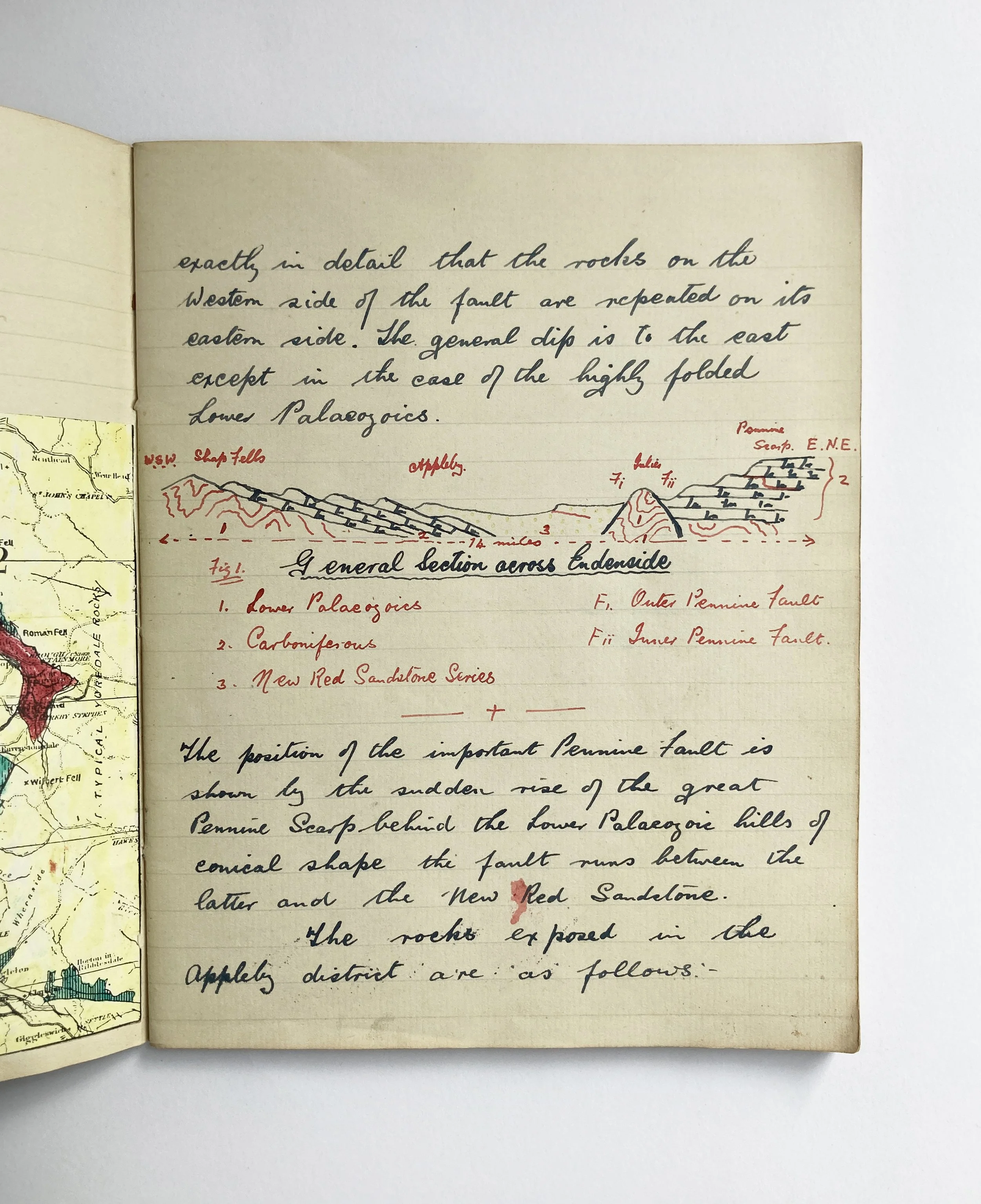
The journal is beautifully illustrated, with numerous post-cards and illustrations, a number of original photographs, and coloured diagrams and maps. In addition to extensive account of the general geology of the region, subjects covered include glaciation and fossils.
The Appleby region itself is an important in the history of geology: the red sandstones around Appleby-in-Westmorland became important during the nineteenth century as geologists worked out the sequence of rocks in northern England and began defining major geological periods. The ‘Appleby Group’ gave its name to a distinctive set of Permian desert sandstones and breccias that helped scientists understand the environmental transition between the Carboniferous coal-forming swamps and the arid conditions of the Permian Period.
Very good condition: covers a little worn, with a chip to the lower corner of the front cover; but otherwise in a very good state of preservation.